

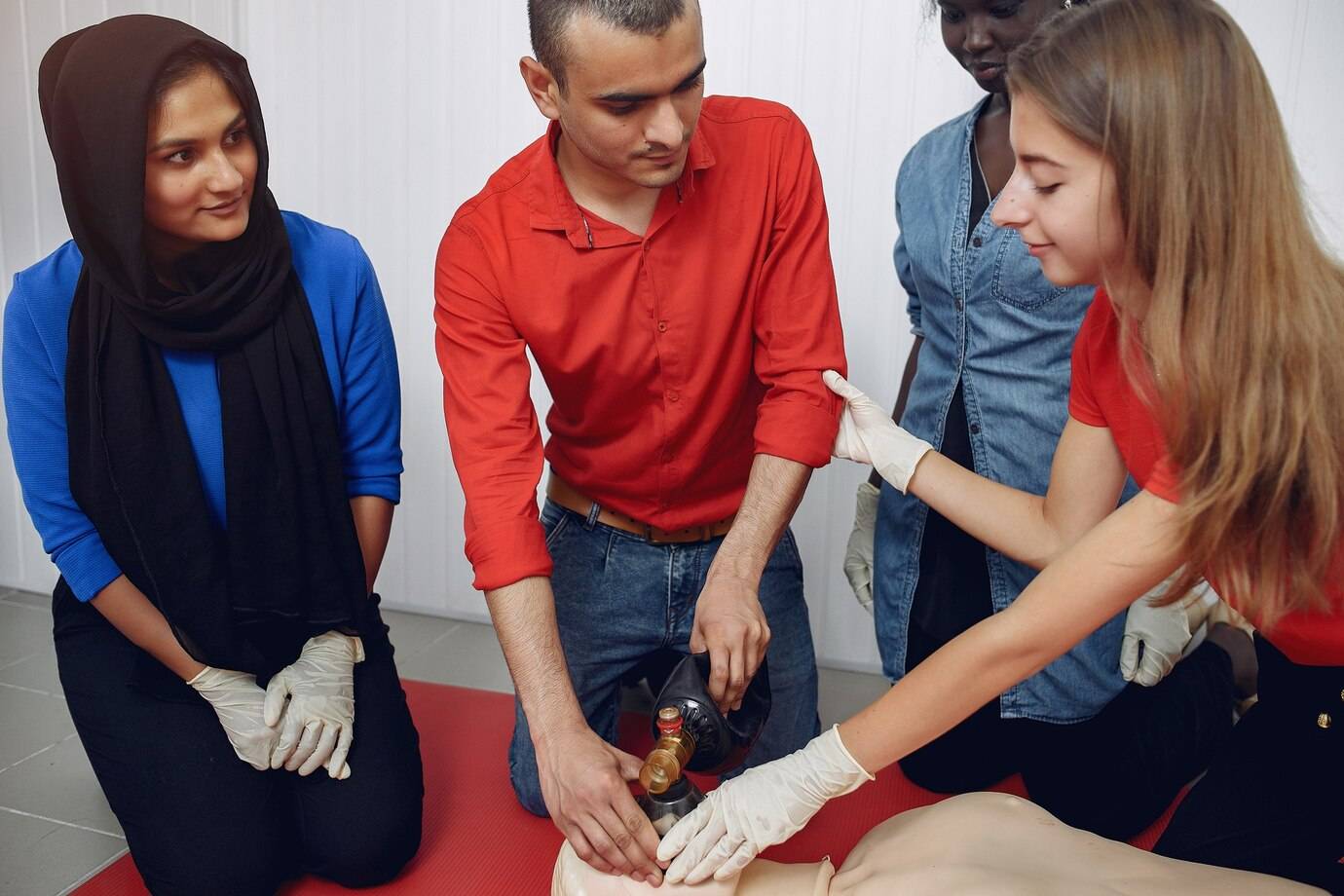
In emergencies, knowing CPR (Cardiopulmonary Resuscitation) can make the difference between life and death. Every year, countless individuals suffer from cardiac arrests or respiratory failures, but many are not prepared to provide immediate help. CPR certification empowers individuals to act confidently in such critical moments and potentially save lives.
What is CPR Certification?
CPR Certification is an official credential earned after completing a comprehensive training course in cardiopulmonary resuscitation. This certification provides individuals with the knowledge and practical skills needed to administer effective CPR during emergencies. Whether it’s performing chest compressions or rescue breathing, certified individuals can respond swiftly and efficiently.
The Importance of CPR in Emergencies
During an emergency, especially in cases of sudden cardiac arrest (SCA), CPR helps maintain circulation to the brain and other vital organs until medical professionals can arrive. The sooner CPR is initiated, the higher the chance of survival. Without immediate action, the chances of recovery decrease dramatically, making CPR certification a vital skill for anyone, especially first responders, caregivers, and bystanders.
CPR Saves Lives in Critical Situations
Statistics show that early intervention with CPR significantly increases survival rates. immediate chest compressions can double or even triple the likelihood of survival from cardiac arrest. Individuals who are CPR certified are better equipped to provide timely assistance, leading to higher success rates in saving lives.
Who Should Consider Getting CPR Certified?
Everyone can benefit from CPR training, but certain groups are especially encouraged to get certified:
- Healthcare Professionals: Doctors, nurses, and paramedics who need to be prepared for emergencies.
- Parents and Caregivers: Anyone responsible for the safety of children or elderly individuals.
- Teachers and Coaches: Those working with students or athletes can respond swiftly to emergencies on the field or in the classroom.
- General Public: Individuals who want to contribute to a safer environment by learning life-saving techniques.
How CPR Certification Can Improve Emergency Response
One of the key benefits of CPR certification is the confidence it provides in emergency situations. Knowing what to do and how to respond allows individuals to act quickly without hesitation. The more people trained in CPR, the greater the likelihood of saving lives, as it creates a community prepared to handle emergencies.
Where Can You Get CPR Certified?
There are many accredited organizations and online courses that offer CPR certification. It’s essential to choose a reputable provider that offers hands-on practice and comprehensive training. Many courses are available at local health organizations, hospitals, and through online platforms, ensuring accessibility for people everywhere.
Advantages of Getting CPR Certified Online
With the rise of online learning, many individuals can now receive CPR certification from the comfort of their own homes. Online CPR courses offer flexibility, allowing participants to learn at their own pace. Upon completion, they receive a certification that proves they are trained and prepared to help in emergencies.
Conclusion: CPR Certification Makes a Lifesaving Difference
In conclusion, CPR certification is not just a credential—it’s a lifesaving skill. By obtaining CPR certification, you can play a pivotal role in emergency situations, potentially saving lives and making a significant difference in the outcomes of critical events. Whether you’re a healthcare provider or just a concerned individual, taking the time to get certified ensures that you’re prepared to help when every second counts.
If you want to be ready to act in emergencies and make a real difference, consider getting CPR certified today.
For more information and to get certified, visit https://cprcertificationnow.com